


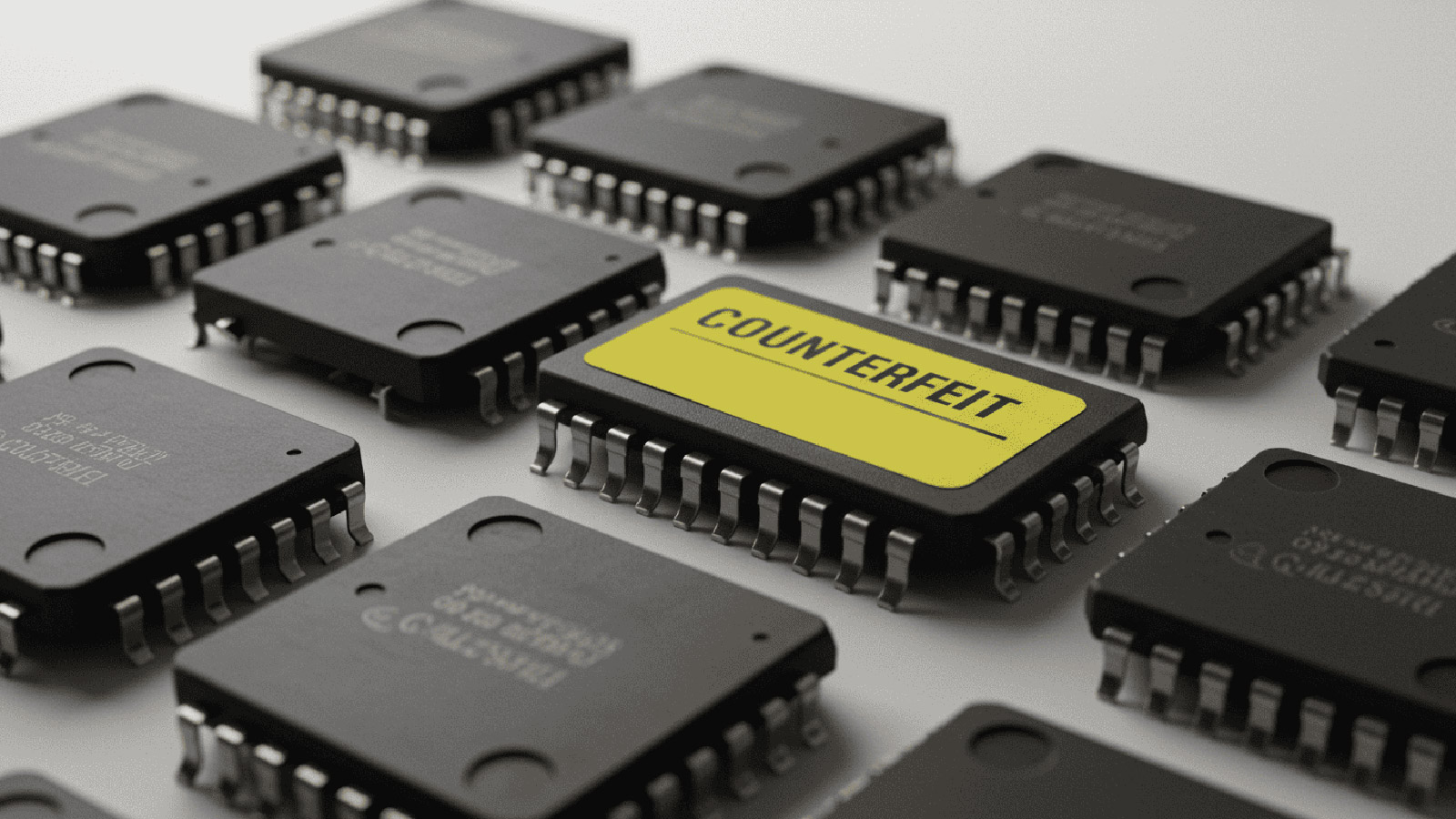
Mitigating the Risks of Counterfeit Parts: Best Practices for Aerospace, Astronautical, and Defense Programs
In aerospace, astronautical, and defense industries, mission success depends on the reliability and integrity of every component. A single faulty part can compromise safety, delay schedules, and cost millions of dollars. Unfortunately, counterfeit parts are an ever-present threat in global supply chains, with increasing sophistication making detection more difficult than ever. From unauthorized copies of electronic components to misrepresented mechanical assemblies, counterfeit hardware can infiltrate even the most carefully managed programs. Understanding the risks associated with counterfeit parts—and adopting best practices to prevent them—is essential for manufacturers, program managers, and supply chain partners alike.
The Scope and Risks of Counterfeit Parts
Counterfeit components are not merely defective; they are deliberately misrepresented as genuine parts. They can include recycled parts sold as new, unauthorized copies of electronic components, or even parts that fail to meet military, aerospace, or astronautical standards. The consequences of integrating counterfeit parts can be severe: system failures, safety hazards, costly recalls, program delays, and damage to organizational reputation. In defense and space programs, where mission success can have national security implications, the risks are even more pronounced.
Several factors contribute to the proliferation of counterfeit parts. Increasing global demand, supply chain complexity, obsolescence of legacy components, and the growing number of smaller, unverified suppliers have all created opportunities for counterfeiters. Moreover, the rise of online marketplaces has made it easier for unverified sellers to reach program managers and procurement teams directly. As a result, aerospace, astronautical, and defense organizations must remain vigilant and implement rigorous measures to prevent counterfeit parts from entering their supply chains.
Best Practices for Avoiding Counterfeit Parts
- Work with Trusted, Verified Suppliers
The first line of defense against counterfeit parts is partnering with verified distributors and suppliers. Companies should evaluate suppliers based on their track record, certifications, and adherence to industry standards. Trusted suppliers maintain strict quality control, traceability, and documentation for every component, ensuring that only genuine parts reach your program. Programs that rely on verified partners like Silico gain an added layer of assurance through rigorous sourcing processes and experienced supply chain oversight. - Implement Rigorous Inspection and Verification Processes
Even when sourcing from reputable suppliers, verification is essential. This includes detailed inspection of physical characteristics, marking authenticity, and adherence to manufacturer specifications. Advanced techniques such as X-ray inspection, scanning electron microscopy, and chemical composition analysis can detect hidden defects or inconsistencies. Additionally, verification of lot numbers, date codes, and certification documents can uncover discrepancies that indicate counterfeit or misrepresented parts. Regular audits and standardized inspection procedures should be integral to any aerospace or defense procurement strategy. - Maintain Full Traceability
Traceability is a critical defense against counterfeit parts. Keeping detailed records of every component’s origin, manufacturing process, testing, and handling ensures accountability and transparency throughout the supply chain. Traceability allows program managers to quickly identify the source of any problem, isolate affected parts, and take corrective action before they compromise operations. Distributors like Silico specialize in providing complete traceability documentation, helping programs meet stringent regulatory and certification requirements while reducing the risk of counterfeit infiltration. - Adopt Supply Chain Risk Management Strategies
Supply chain risk management (SCRM) is becoming increasingly essential for aerospace, astronautical, and defense programs. This involves mapping the entire supply chain, identifying critical points of vulnerability, and implementing contingency plans to mitigate potential disruptions. Techniques such as dual sourcing, prequalification of alternate suppliers, and predictive inventory management help ensure program continuity even when counterfeit threats or supply interruptions arise. By proactively addressing risk, organizations can reduce exposure to counterfeit parts and maintain program schedules. - Leverage Technology for Detection
Technology plays a growing role in combating counterfeit parts. Blockchain, for example, can create immutable records of a part’s origin and movement through the supply chain, making it nearly impossible for counterfeit parts to be misrepresented as genuine. AI and machine learning tools can analyze procurement data to detect anomalies, such as unusual supplier behavior or pricing discrepancies, which may indicate counterfeit activity. IoT-enabled components and RFID tracking systems also provide real-time visibility into a part’s journey, helping ensure authenticity from manufacturer to end user. - Educate Teams and Foster Awareness
Human vigilance remains a critical element in counterfeit prevention. Procurement teams, engineers, and program managers should be trained to recognize warning signs of counterfeit parts, including suspicious documentation, unexpected suppliers, or unusual pricing. Establishing clear protocols for reporting and investigating potential counterfeit incidents fosters a culture of accountability and continuous improvement. Awareness and education reduce the likelihood of accidental procurement of counterfeit components and empower teams to act decisively when suspicious items are detected. - Establish Strong Supplier Relationships
Long-term, collaborative relationships with suppliers reduce the likelihood of counterfeit infiltration. Trusted distributors who understand your program’s requirements can provide guidance on sourcing, advise on alternatives for hard-to-find components, and proactively flag potential risks. Strong partnerships also allow for coordinated problem-solving when issues arise, ensuring that programs continue without interruption.
Case Studies: The Real-World Impact of Counterfeit Parts
Across the aerospace and defense industries, counterfeit components have caused costly and sometimes catastrophic problems. For instance, a small misrepresented electronic component in an aircraft system can cause malfunctions in flight-critical controls, forcing grounding of entire fleets. In space programs, counterfeit parts have led to launch delays, costly replacements, and compromised mission objectives. These examples highlight the importance of proactive, multi-layered strategies that combine trusted suppliers, rigorous verification, traceability, and supply chain oversight.
Conclusion
Counterfeit parts represent a persistent and growing threat to aerospace, astronautical, and defense programs. Their risks extend beyond simple component failure, potentially jeopardizing safety, mission success, and national security. Organizations that fail to implement rigorous safeguards expose themselves to operational, financial, and reputational damage. By working with trusted suppliers, implementing stringent verification processes, maintaining full traceability, leveraging technology, and fostering awareness, programs can significantly reduce the likelihood of counterfeit infiltration.
At Silico, we understand that mission-critical components cannot be compromised. Our supply chain solutions combine expert sourcing, verified inventory, rigorous documentation, and personal attention to ensure every part meets the highest standards of quality and authenticity. For aerospace, astronautical, and defense programs, partnering with a reliable distributor is not just best practice—it’s essential for operational success, safety, and peace of mind. Counterfeit prevention requires vigilance, expertise, and trusted relationships, and Silico is committed to delivering all three to our customers.
